

Transform Your SEO Workflow: 8 Tasks Perfect for AI Automation
Identifying the Right Tasks for SEO Automation
The modern SEO professional’s workload is filled with repetitive, time-consuming tasks that can drain productivity and creative energy. The key to successful automation lies in identifying which activities are prime candidates for AI assistance. A simple litmus test is asking whether you’d delegate a task to an intern – if the answer is yes, it’s likely suitable for automation. These tasks typically involve data collection, basic analysis, and initial research phases that require minimal strategic decision-making. However, automation should handle approximately 70% of the groundwork, while human expertise completes the remaining 30% through quality assurance, strategic refinement, and final implementation. This approach ensures efficiency while maintaining the quality and strategic thinking that only human professionals can provide.
Content Calendar and Performance Tracking Automation
Content calendar management represents one of the most impactful areas for SEO automation. By leveraging spreadsheet formulas like VLOOKUP and MAXIFS, combined with AI Content Aggregator tools, professionals can automatically generate update schedules based on content age and performance metrics. This system can identify pages due for refresh according to the recommended 1-2 year update cycle, while simultaneously flagging underperforming content that needs immediate attention. The automated process pulls data from multiple sources including sitemaps, analytics reports, and previous content plans to create comprehensive scheduling recommendations. Teams can save up to 8 hours per quarter by automating this process, allowing them to focus on strategic content improvements rather than manual data compilation and calendar creation.
Streamlining Keyword Research and Content Generation
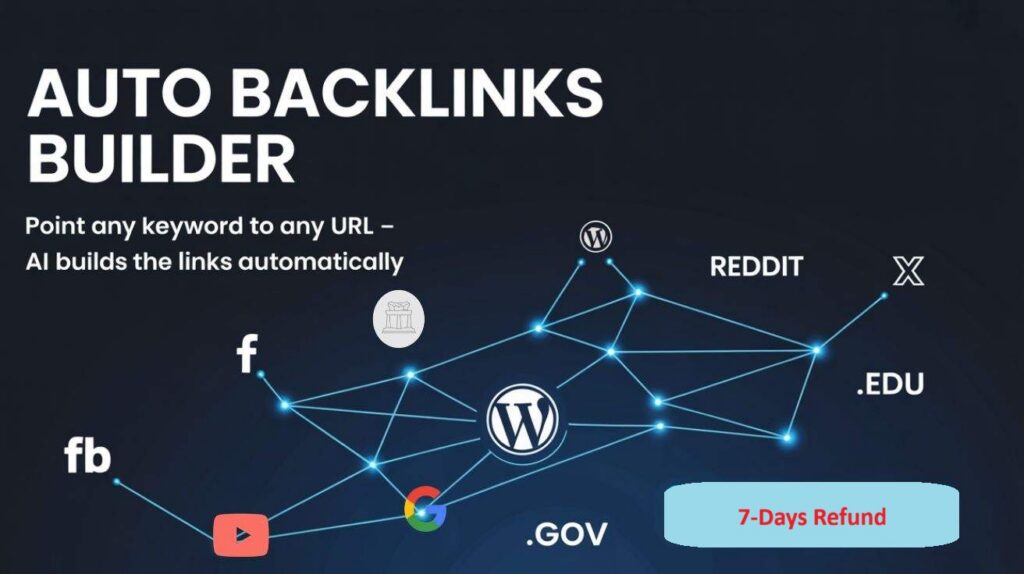
Traditional keyword research through tools like Ahrefs and SEMrush often generates overwhelming amounts of data, including irrelevant branded terms and low-value opportunities. AI automation can filter and prioritize this information, presenting only the most relevant keyword opportunities aligned with business objectives. Modern AI Post Images Generator and Auto Backlinks Builder tools can work alongside keyword research automation to create comprehensive content strategies. These systems can generate topic clusters, identify content gaps, and even suggest optimal content formats based on competitor analysis and search intent patterns. The result is a more focused, actionable keyword strategy that eliminates hours of manual data sorting while improving the quality of targeting decisions and content planning workflows.
Source: Automate the busywork: 8 SEO tasks you shouldn’t do manually